Understanding Psoriasis and Vitiligo
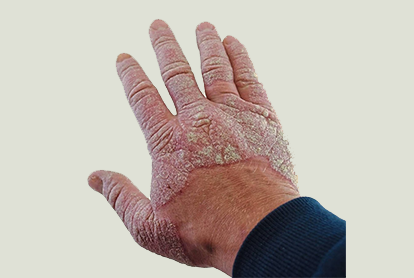
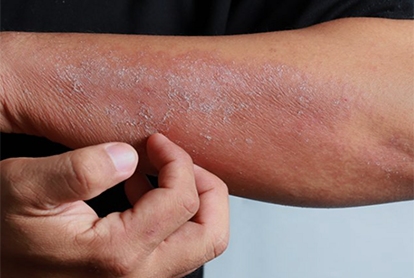
Psoriasis is a long-term autoimmune skin disorder that results in the accelerated production of skin cells. This rapid turnover leads to thickened areas of skin that often appear as red, inflamed patches covered with silvery-white scales. The condition can affect various parts of the body including the scalp, elbows, knees, and lower back. It may also be associated with joint pain in a condition called psoriatic arthritis. Psoriasis is believed to be triggered by a combination of genetic predisposition and environmental factors such as stress, infections, or certain medications. Although not contagious, it can be physically uncomfortable and emotionally distressing for individuals who live with it.
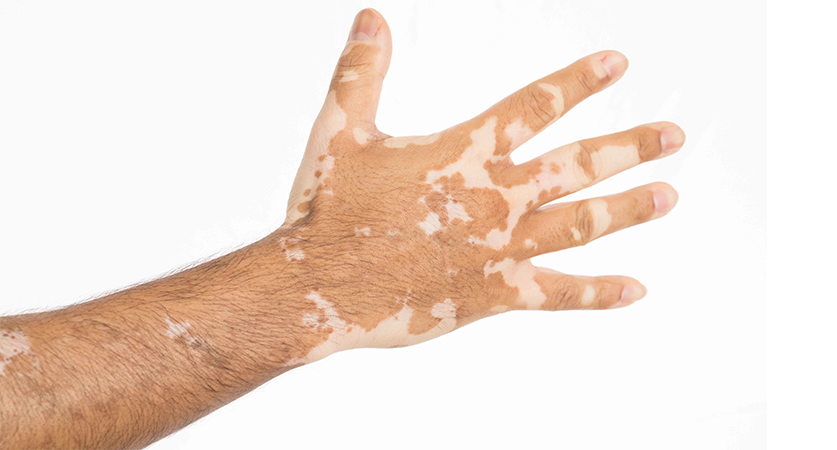
Vitiligo, in contrast, is a pigmentary disorder caused by the destruction or dysfunction of melanocytes—the cells responsible for producing melanin, the pigment that gives color to the skin, hair, and eyes. As these cells are lost, smooth white patches of skin begin to appear in different areas of the body. While the exact cause of vitiligo remains unclear, it is often linked to autoimmune conditions and may have a hereditary component. Though vitiligo does not cause physical pain, the visible nature of the condition can lead to significant psychological stress, social anxiety, and reduced self-esteem. Early detection, compassionate support, and professional care play a crucial role in managing symptoms and improving the individual’s quality of life.
- Non-contagious but chronic
- Needs timely medical intervention
- Often triggered by immune dysfunction
- Affects quality of life and self-confidence
- Requires customized treatment plans
Expert Diagnosis and Personalized Approach
At Aarokya, we begin with a thorough skin analysis, including dermatoscopy and medical history evaluation, to accurately diagnose your condition. This helps us understand the stage and severity before recommending any treatment.
Our dermatologists bring years of experience and training in managing autoimmune and pigmentary disorders. We tailor treatment protocols using the EEAT (Expertise, Experience, Authoritativeness, and Trustworthiness) principle to ensure safe, evidence-based care.
- In-depth consultation and assessment
- Board-certified dermatologists
- Personalized care plans
- Emphasis on patient education
- Transparent communication
Advanced Phototherapy for Psoriasis and Vitiligo
Phototherapy has emerged as a cornerstone in the advanced treatment of chronic skin conditions like Psoriasis and Vitiligo. Narrowband UVB (NB-UVB) therapy, in particular, has shown remarkable efficacy in managing symptoms and improving skin appearance. For psoriasis, NB-UVB helps reduce skin inflammation, slow down the excessive growth of skin cells, and alleviate itching and redness. In vitiligo, this therapy stimulates the remaining melanocytes—cells responsible for producing skin pigment—encouraging repigmentation and restoring the skin’s natural color over time.
At Aarokya Skin & Hair Clinic in Tambaram, Chennai. we utilize cutting-edge phototherapy units designed to deliver highly targeted light exposure based on each patient’s specific skin type and condition severity. This personalized approach ensures optimal outcomes while minimizing the risk of side effects. Our expert dermatologists monitor and adjust treatment plans regularly, ensuring that patients receive the safest and most effective care. With a commitment to comfort and precision, our phototherapy services offer a reliable path to visible and lasting skin improvement.
- FDA-approved therapy
- Effective for moderate to severe conditions
- Stimulates natural skin healing
- Safe for long-term use under supervision
- Minimal side effects
Topical Treatments That Work
We use a variety of dermatologist-approved topical medications to manage symptoms. For psoriasis, this includes corticosteroids, vitamin D analogs, and retinoids. For vitiligo, we often prescribe topical calcineurin inhibitors and depigmenting agents.
These creams are selected based on skin type, severity, and responsiveness, ensuring optimal outcomes without unnecessary side effects.
- Non-invasive solution
- Easy to apply at home
- Custom-blended medications when needed
- Targets inflammation and pigment loss
- Minimal to no downtime
Immunotherapy and Biologics
For moderate to severe psoriasis, biologic medications that target specific immune system pathways are a breakthrough. Similarly, vitiligo patients with stable conditions may benefit from immunomodulators to support melanocyte regeneration.
At Aarokya, we provide expert guidance on when and how to use these therapies, closely monitoring patient response for optimal outcomes.
- Tailored to your immune profile
- Guided by clinical data and trials
- Reduced flare-ups and recurrence
- Regular monitoring for safety
- Used only when necessary
Surgical Options: Melanocyte Transplantation
For segmental or stable vitiligo, surgical treatments like melanocyte transplantation can restore natural pigmentation. Our experts perform ultra-refined procedures that have high success rates and minimal scarring.
This method involves transferring healthy pigment cells to depigmented areas, offering a permanent and natural-looking solution in suitable cases.
- Ideal for stable vitiligo
- Performed by trained skin surgeons
- Minimal recovery time
- Natural-looking results
- Long-term pigmentation restoration
Diet and Lifestyle Counseling
Skin conditions like psoriasis and vitiligo can be triggered or worsened by diet, stress, and lifestyle habits. We offer counseling to help patients identify and avoid common triggers such as gluten, dairy, processed foods, and emotional stress.
We empower you with holistic advice, so treatment is not just skin-deep but addresses root causes.
- Anti-inflammatory diet plans
- Stress management techniques
- Exercise and sleep guidance
- Trigger identification
- Whole-body healing approach
Mental Health Support
Chronic skin conditions can take a toll on one’s mental health. Feelings of embarrassment, anxiety, and low self-esteem are common in people with psoriasis or vitiligo.
At Aarokya, we take a compassionate approach. Our psychologists and counselors provide emotional support, helping patients regain confidence and cope better with their journey.
- Focus on emotional wellbeing
- Support groups and one-on-one counseling
- Boosts treatment adherence
- Helps patients rebuild self-esteem
- Part of our holistic care model
Long-Term Maintenance and Flare-Up Prevention
Once the symptoms are under control, our focus shifts to preventing recurrences. Maintenance therapy might include low-dose medications, periodic phototherapy, or regular skin check-ups.
Our dermatologists create a customized maintenance plan for each patient, reducing the frequency and intensity of future flare-ups.
- Personalized maintenance schedules
- Early detection of new symptoms
- Reduced dependence on strong medications
- Ongoing dermatologist support
- Education on self-monitoring
Why Choose Aarokya Skin and Hair Clinic?
With over a decade of expertise in treating skin disorders, Aarokya is a trusted name in dermatology. We combine cutting-edge technology with compassionate care, ensuring that every patient feels heard, supported, and healed.
Our team adheres to strict ethical guidelines and continuously updates treatment protocols to reflect the latest medical evidence, aligning with the EEAT principles.
- Experienced and certified dermatologists
- Advanced diagnostic and treatment tools
- Transparent and ethical care
- Patient-centric, holistic approach
- Proven track record in Psoriasis and Vitiligo care
Reclaim Your Confidence—Your Journey to Clear, Healthy Skin Starts Here at Aarokya
Frequently Asked Questions (FAQ)
No, both conditions are autoimmune or pigment-related and are not caused by infections, hence not contagious.
While a complete cure is currently not available, both conditions can be effectively managed with long-term treatment and care.
Results vary depending on the severity and treatment method, but most patients start noticing improvement within a few weeks.
Yes, under medical supervision, phototherapy is safe for most age groups and is adjusted based on individual skin sensitivity.
Avoiding stress, maintaining a healthy diet, protecting your skin from sun damage, and following your dermatologist's advice help significantly.